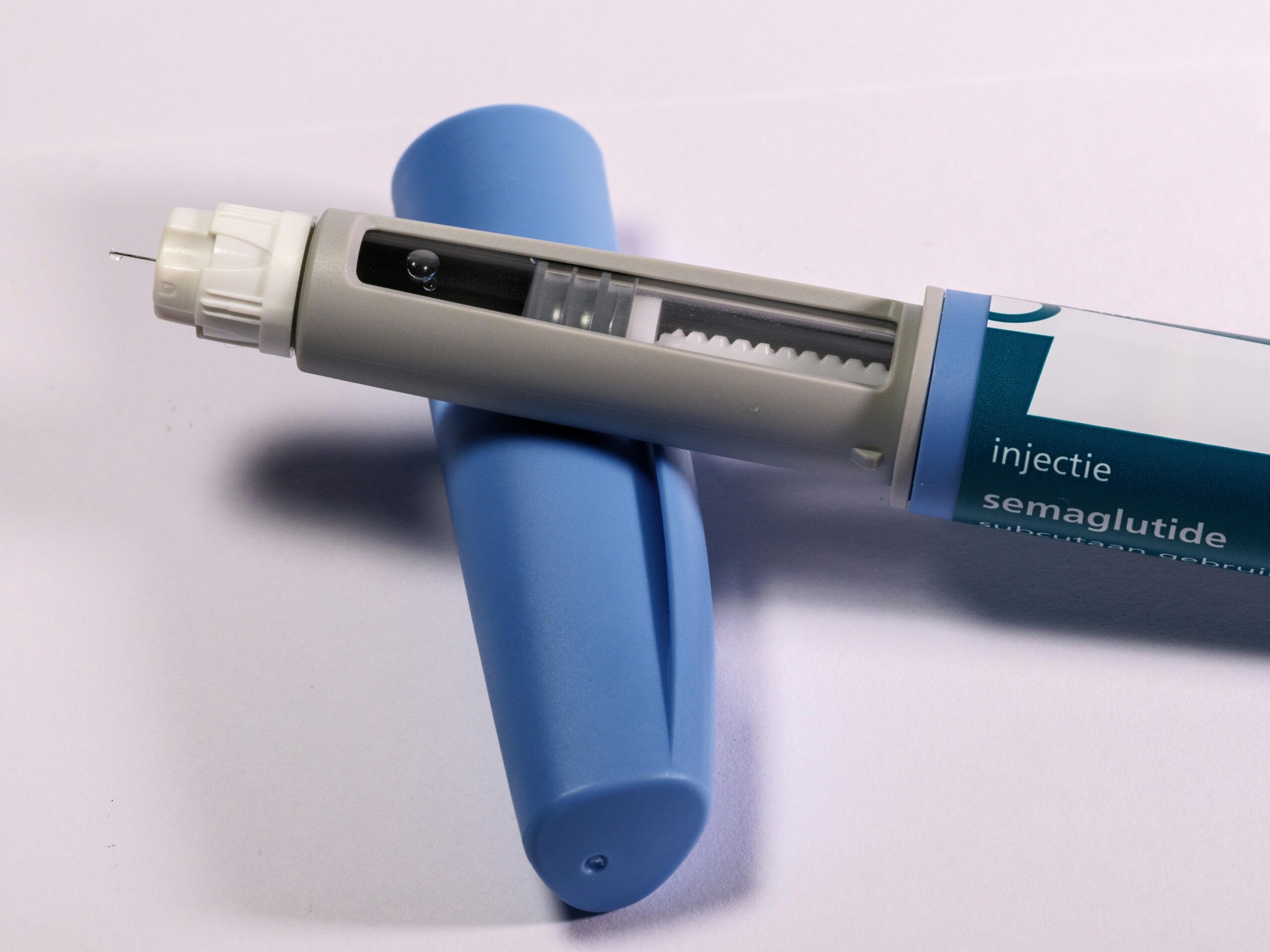
What We Know (and What We Don’t Yet) about GLP-1s and ADHD.
If you have ADHD (like me), you may have noticed people talking about GLP-1 medications (like Ozempic®, Wegovy®, Zepbound®) and wondering:
- Could this help my ADHD symptoms?
- Will it affect my focus, motivation, or emotional regulation?
- Is this safe if I already struggle with impulsivity, eating, or are taking ADHD medications?
So let’s break it down without all the shenanigans.
First: What are GLP-1 medications?
GLP-1 medications were originally developed for diabetes and then approved for weight management. They work by mimicking a natural hormone (GLP-1) that helps regulate the following:
- appetite and fullness
- blood sugar
- digestion speed
- reward signaling in the brain
What has surprised many researchers is that GLP-1 receptors are also active in the brain, not just the stomach!
And that’s where the ADHD conversation starts….
Why ADHD is part of this conversation at all?
We know that ADHD isn’t just about attention. It can also affect:
- impulse control
- reward-seeking behavior
- emotional regulation
- motivation
- follow-through
These same brain systems overlap with the dopamine and reward pathways influenced by GLP-1 signaling. Questions like “If GLP-1 meds affect rewards, cravings, and impulse control… could they help some ADHD symptoms?
Possible ways GLP-1s might affect ADHD
1. Reduced impulsive eating & “dopamine chasing”
Many people with ADHD struggle with:
- binge eating
- constant snacking
- craving stimulation through food
Some patients report that GLP-1 medications:
- quiet “food noise”
- reduce impulsive eating urges
- decrease the constant reward-seeking loop
This does not mean GLP-1s treat ADHD — but they may reduce one downstream behavior that ADHD often amplifies.
2. Indirect improvements in energy and mental clarity
Some people notice:
- more stable energy
- fewer blood sugar crashes
- less fatigue from overeating or inflammation
For some ADHD patients, this can feel like improved focus even though the medication is not acting like a stimulant.
Think of it like a GLP-1 is REMOVING barriers to focus, not CREATING focus.
3. Reduced impulsivity in other areas (still being studied!)
Some earlier research in addiction medicine has shown GLP-1 medications can reduce:
- alcohol cravings
- reward-driven behaviors
That has led researchers to explore whether GLP-1s could someday play a role in impulsivity-related conditions ADHD, substance use, gambling, etc — but this is still early research, not a clinical recommendation.
What GLP-1s do not do for ADHD (this matters)
GLP-1 medications:
- ❌ do not replace stimulant or non-stimulant ADHD meds
- ❌ do not directly improve attention span
- ❌ do not fix executive dysfunction
- ❌ are not approved ADHD treatments
If someone says, “GLP-1 cured my ADHD,” what’s usually happening is:
- improved sleep
- improved metabolic health
- fewer dopamine-seeking behaviors
- less emotional overwhelm
Helpful? Possibly.
A treatment for ADHD itself? No.
Important cautions for people with ADHD
1. Appetite suppression can be tricky
Many people with ADHD already struggle with:
- forgetting to eat
- irregular meals
- poor nutrition
GLP-1 medications reduce hunger cues, which can worsen:
- brain fog
- irritability
- fatigue
- stimulant side effects
If you have ADHD and take stimulants, nutrition monitoring matters. I always recommend working with a nutritionist.
2. History of eating disorders = extra caution
If you have:
- binge-restrict cycles
- past eating disorder behaviors
- body image distress
GLP-1 medications can sometimes intensify control or restriction patterns. This doesn’t mean they’re forbidden — but it does mean careful screening and monitoring are essential.
3. Emotional changes should be monitored
Large studies and regulatory reviews have not found proof that GLP-1 medications cause depression or suicidal thoughts, but mood changes should still be taken seriously, especially in people with:
- ADHD + depression
- ADHD + anxiety
- ADHD + emotional dysregulation
Any medication change is a reason to check in with your mental health provider.
So… should someone with ADHD consider a GLP-1?
GLP-1 medications may make sense if:
- there’s a medical indication (diabetes, obesity, metabolic risk)
- ADHD-related impulsive eating is causing distress
- they’re used alongside ADHD treatment and not instead of it
- mental health is monitored carefully
They are not a shortcut, cure, or substitute for:
- ADHD medication
- therapy
- skill-building
- executive function support
The bottom line
For people with ADHD, the real question isn’t: “Will this fix my ADHD?”
It’s: Could this reduce some of the barriers that make my ADHD harder to manage?
That’s a conversation worth having with your doctor and psych provider!

