Eating is more than just a way to fuel our bodies; it can be a joyful experience that connects us to our feelings and our environment. In recent years, two concepts have gained popularity: intuitive eating and mindful eating.
These approaches encourage us to listen to our bodies and enjoy food without guilt or strict rules. Let’s explore what these terms mean, how they differ, and how you can incorporate them into your daily life.
If you’re a millennial like me, I know that you likely grew up with diet culture being shoved down your throat. Most millennial patients I see have a difficult relationship with food and many have struggled with years of disordered eating.

What is Intuitive Eating?
Intuitive eating is a philosophy that encourages people to trust their bodies to guide their eating habits. Instead of following strict diets or food rules, intuitive eaters listen to their hunger cues and eat what feels right for them. This approach helps people develop a healthier relationship with food. I’m going to be straight up with you, while the concepts of intuitive and mindful eating seemc easy, it can be REALLY hard to trust your body and hunger cues after years of trying to ignore them!
Key Principles of Intuitive Eating
- Reject the Diet Mentality: Stop thinking about food in terms of “good” and “bad.” Diets often lead to feelings of deprivation and failure. Instead, focus on what your body truly needs.
- Honor Your Hunger: Pay attention to your body’s signals. When you feel hungry, eat! Ignoring hunger can lead to overeating later.
- Make Peace with Food: Allow yourself to enjoy all types of food without guilt. When you give yourself permission to eat what you want, cravings often decrease.
- Challenge the Food Police: Silence that inner critic that tells you what you should or shouldn’t eat. Be kind to yourself and embrace all foods.
- Feel Your Fullness: Notice when you start to feel full. This awareness helps you stop eating before you feel stuffed.
- Discover the Satisfaction Factor: Eating should be enjoyable! Choose foods that you love and that satisfy you.
- Cope with Your Emotions: Find ways to deal with emotions without turning to food. This could include talking to a friend, journaling, or going for a walk.
- Respect Your Body: Appreciate your body for what it can do, not just how it looks. This helps build a positive body image.
- Exercise for Joy: Move your body in ways that feel good. Focus on activities you enjoy rather than forcing yourself to exercise.
- Honor Your Health: Make food choices that feel good and nourish your body. Balance is key!
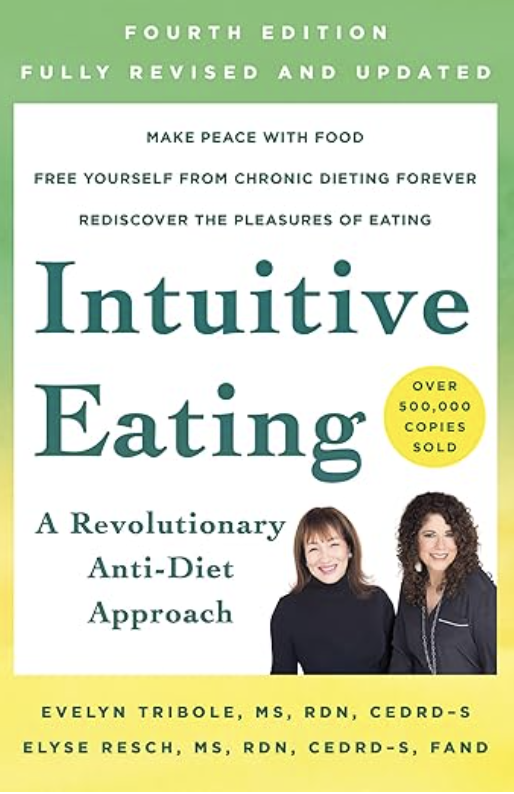
If you are looking for a book to help jumpstart your journey into Intuitive Eating I recommend “Intuitive Eating: A Revolutionary Anti-Diet Approach” by Evelyn Tribole and Elyse Resch.
What is Mindful Eating?
Mindful eating is all about being present during meals. It encourages you to pay attention to the experience of eating, including the taste, texture, and smell of food. Mindful eating helps you enjoy your meals more and can prevent overeating.
Key Practices of Mindful Eating
- Slow Down: Take your time while eating. Chew your food thoroughly and savor each bite.
- Eliminate Distractions: Try to eat without distractions like TV or smartphones. This allows you to focus on your food and your feelings.
- Engage Your Senses: Notice the colors, smells, and textures of your food. This enhances your eating experience.
- Listen to Your Body: Pay attention to how your body feels during and after eating. This awareness helps you make better food choices.
- Reflect on Your Food: Think about where your food comes from and the effort that went into preparing it. This can increase your appreciation for your meal.
How Intuitive Eating and Mindful Eating Work Together
While intuitive eating and mindful eating are distinct concepts, they complement each other beautifully. Here’s how:
- Awareness: Both practices encourage you to be aware of your body’s signals and your eating habits.
- Enjoyment: They promote the idea that food should be enjoyable, not just a source of fuel.
- Healthy Relationship with Food: Both approaches help you develop a healthier, more positive relationship with food.
How to Get Started with Intuitive and Mindful Eating
If you’re interested in trying intuitive and mindful eating, here are some simple steps to get started:
Step 1: Reflect on Your Eating Habits
Take a moment to think about how you currently eat. Do you often eat on the go? Do you pay attention to your hunger cues? Understanding your habits is the first step to change.
Step 2: Start Small
You don’t have to change everything at once. Begin by practicing mindful eating during one meal a day. Focus on savoring your food and listening to your body.
Step 3: Keep a Food Journal
Consider keeping a journal to track your meals and how you feel before and after eating. This can help you identify patterns and triggers.
Step 4: Be Patient with Yourself
Changing your relationship with food takes time. Be kind to yourself and celebrate your progress, no matter how small.
Step 5: Seek Support
If you find it challenging to practice intuitive or mindful eating, consider talking to a dietician or a therapist who specializes in these approaches. They can provide guidance and support.
Step 6: Social Media
I encourage you to analyze the fitness influencers that you follow and decide if what they’re teaching and preaching about food and exercise feels right for you.
Some of my favorite accounts to follow on Instagram are:
@find.food.freedom
@no.food.rules
@anti.diet.kids
@growing.intuitive.eaters
Intuitive eating and mindful eating offer a refreshing approach to how we think about food. By listening to our bodies and being present during meals, we can enjoy food more and develop a healthier relationship with it.
**Read more about how and why Intuitive and Mindful eating approaches are misunderstood (link coming soon!)**

Legal Disclaimer: The information provided on MentalHealthDestinations.com is for general informational purposes only and is not intended as medical advice. The content on this website should not be used to diagnose, treat, or prevent any medical or psychological condition. Always seek the advice of your physician or other qualified mental health provider with any questions you may have regarding a medical or psychological condition. Never disregard professional medical advice or delay in seeking it because of something you have read on this blog. While the author of MentalHealthDestinations.com is a licensed medical professional, the content on this website is not a substitute for professional medical advice, diagnosis, or treatment and your own medical/psychiatric/therapeutic professional should be consulted. The use of any information provided on this site is solely at your own risk. If you are in crisis or think you may have a medical emergency, call your doctor, go to the nearest emergency room, or call 911 immediately. For immediate help with a mental health crisis, consider contacting the National Suicide Prevention Lifeline at 1-800-273-TALK (1-800-273-8255) or text “HELLO” to 741741 to connect with a trained crisis counselor.
This post may contain affiliate links, meaning, I recommend products and services I’ve used or know well and may receive a commission if you purchase them too (at no additional cost to you).